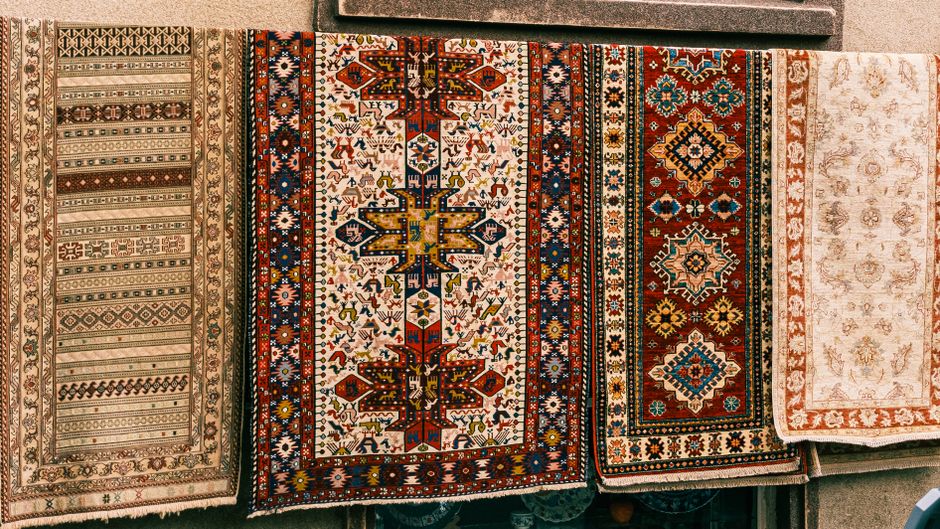
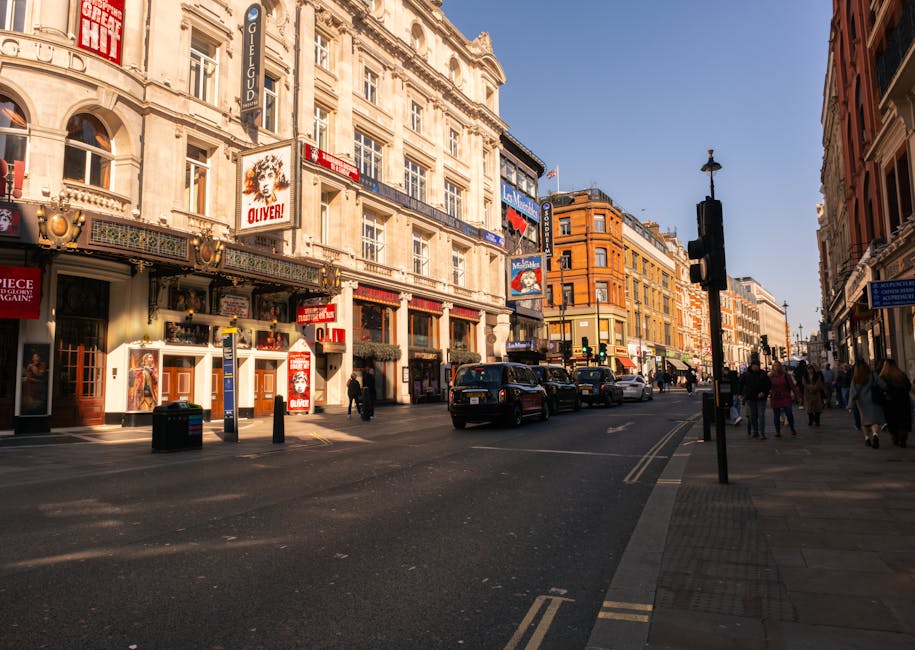
Rug cleaning near Leicester Square station in Soho
If you are searching for rug cleaning near Leicester Square station in Soho, you are probably dealing with one of two things: a rug that has started to look tired, or a spill that has turned into a nagging little problem you can't ignore. Maybe it is a flat in a busy Soho street, maybe a studio office, or maybe a rental property that needs to look right again before guests arrive. Either way, the clock is usually ticking. In this part of London, rugs tend to work hard. They catch foot traffic, coffee drips, rainwater, street dust, and the odd mystery mark that appears out of nowhere. A proper clean can make a huge difference, not just visually, but in smell, texture, and how long the rug lasts.
Below, you will find a practical guide to what rug cleaning involves, how the process works, what to watch for, and how to decide on the right approach for your rug. No fluff, no drama. Just clear, useful advice for people who want the job done properly.
Table of Contents
- Why rug cleaning near Leicester Square station in Soho matters
- How rug cleaning near Leicester Square station in Soho works
- Key benefits and practical advantages
- Who this is for and when it makes sense
- Step-by-step guidance
- Expert tips for better results
- Common mistakes to avoid
- Tools, resources and recommendations
- Law, compliance, standards, or best practice
- Options, methods, or comparison table
- Case study or real-world example
- Practical checklist
- Conclusion
- Frequently asked questions
Why rug cleaning near Leicester Square station in Soho matters
Leicester Square sits right in the middle of one of London's busiest patches, and Soho is exactly the kind of place where rugs pick up wear faster than people expect. There is heavy footfall, changing weather, late-night traffic, and a constant mix of dust and debris from nearby streets. A rug in this area can go from looking fine to looking flat and grubby in surprisingly little time. Truth be told, most people do not notice the gradual build-up until the room starts feeling dull.
That matters because rugs do more than sit there looking pretty. They absorb particles from shoes, trap odours, and hold onto moisture if something is spilled and not treated properly. If you leave a stain or a damp patch too long, it can set deeper into the fibres and backing. On delicate rugs, that can mean colour distortion, fibre damage, or a texture change that never quite goes away.
There is also a practical side. In homes, a clean rug makes the room feel calmer and fresher. In offices, hospitality spaces, serviced apartments, or short-let properties around Soho, a well-kept rug helps the whole place look cared for. And let's face it, in a neighbourhood where presentation counts, that matters more than people like to admit.
Expert summary: If your rug is starting to look tired, smell musty, or feel sticky underfoot, the problem is usually deeper than surface dirt. Professional rug cleaning is about fibre care, stain control, hygiene, and restoring the rug's character without damaging it.
How rug cleaning near Leicester Square station in Soho works
Good rug cleaning is not just a bigger version of vacuuming. The right method depends on the rug's material, construction, dye stability, pile height, and how dirty it actually is. A wool rug, for example, needs a different approach from a synthetic flatweave. A hand-knotted rug also deserves more caution than a machine-made rug, even if they look similar at a glance.
Most professional cleaning follows a fairly sensible sequence. First comes inspection. The cleaner checks the fibres, backing, fringe, and any visible stains or wear. Then the rug is tested in a small spot if colour bleeding is a risk. After that, dry soil is removed, because grit is abrasive and will wear fibres down if left in place. Then comes the main cleaning stage, which may involve hot water extraction, low-moisture cleaning, specialist spot treatment, or a controlled wash depending on the rug's condition.
After cleaning, the rug needs proper drying. That part gets overlooked sometimes, but it is crucial. A rug that dries too slowly can smell damp, lose shape, or develop problems around the backing. In practice, good drying often means controlled airflow and careful handling, not just flinging it over a bannister and hoping for the best. Bit of a recipe for regret, that.
Fringe cleaning, grooming, deodorising, and final inspection may also be included. If you are dealing with pet accidents, food spills, or older staining, the cleaner may need to use targeted treatments rather than a one-size-fits-all method. That is usually the difference between a so-so result and one that actually feels worth it.
Key benefits and practical advantages
People often think rug cleaning is mainly about appearance. Fair enough, appearance is a big part of it. But the better benefits are a little broader than that.
- Better appearance: Colours look richer, fibres stand up more evenly, and the whole room feels brighter.
- Less trapped dirt: Deep cleaning removes particles that vacuuming alone will not touch.
- Improved odour control: Spills, food smells, pet odours, and general "closed room" smells are reduced.
- Longer rug life: Cleaning removes grit and residues that wear fibres down over time.
- Better comfort: Clean fibres feel softer and less sticky underfoot.
- More presentable spaces: Useful for rentals, offices, hospitality settings, and homes that receive guests often.
There is also a hidden benefit: peace of mind. If you have ever spent weeks avoiding looking at a rug because of one mark in the middle, you will know the feeling. A proper clean often solves that quiet background annoyance. Not glamorous, perhaps, but deeply satisfying.
For landlords and property managers near Soho, rug care also helps avoid last-minute panic before viewings or changeovers. For residents, it can mean not having to replace a good rug just because it has become dingy in a high-traffic room.
Who this is for and when it makes sense
This service makes sense for a wide range of people and situations. You do not need to wait until a rug looks ruined. In fact, that is usually too late for the best result.
- Homeowners and tenants who want to refresh a living room, hallway, or bedroom rug.
- Short-let hosts and Airbnb operators who need a property to feel clean and welcoming between bookings.
- Office managers handling reception rugs, meeting rooms, or communal spaces where first impressions matter.
- Landlords and letting agents who want rugs ready for inventory, move-in, or move-out.
- Pet owners dealing with odours, accident spots, or recurring staining.
- People with delicate or valuable rugs who would rather not risk a DIY mistake.
When does it make sense to call in help? A few examples: the rug has a stain that keeps reappearing after drying, the colour looks uneven after an at-home attempt, the fringe is dull or tangled, or the rug simply has a smell that will not budge. If you are unsure about the fibres, that alone is a decent reason to get advice before doing anything else.
Rugs with wool, silk, viscose blends, antique construction, or natural dyes deserve extra care. It is not about being precious. It is about not making a small problem much bigger.
Step-by-step guidance
If you want to understand the process clearly, here is the usual route from enquiry to finished rug. Different providers work slightly differently, but the broad flow is similar.
- Initial assessment: The rug is looked over for fibre type, stains, wear, backing condition, and any areas that need special treatment.
- Spot testing: Small tests may be done to check for colour bleed or sensitivity. This is especially important for handmade or dyed rugs.
- Dry soil removal: Dust, crumbs, grit, and pet hair are removed before wet cleaning begins.
- Pre-treatment: Problem areas are treated with the right product for the stain or odour, not just sprayed with something generic.
- Main clean: Depending on the rug, this may involve controlled washing, low-moisture cleaning, or hot water extraction.
- Rinse or residue removal: Cleaning agents are removed so the rug does not feel sticky or attract dirt quickly again.
- Drying: The rug is dried carefully with airflow and time, rather than rushed.
- Final grooming and inspection: Fibres are reset, fringes are checked, and the result is reviewed.
If the rug is extremely delicate, the process may be more conservative. And that is a good thing. A cautious clean that preserves the rug is better than an aggressive one that makes it look clean for a week and tired for years.
One small but useful tip: take photos of the rug before collection or treatment, especially if it has visible marks. Not because anyone expects drama, just because it helps you compare before and after properly.
Expert tips for better results
Here is where a bit of practical judgement goes a long way. A few sensible habits can make a noticeable difference to the final result.
- Act quickly on spills. Blot, do not scrub. Scrubbing can drive the stain deeper and rough up the fibres.
- Check the rug label or construction. If you know whether it is wool, synthetic, silk, or a blend, that helps avoid guesswork.
- Use the right vacuuming pattern. Slow, even passes are better than frantic back-and-forth swipes. The rug will thank you.
- Avoid soaking the rug at home. Over-wetting can damage backing and extend drying time.
- Test any DIY product first. A tiny hidden corner is the place for experimentation, not the centre panel.
- Rotate rugs in high-traffic rooms. In a Soho flat or office, that helps wear stay more even.
- Keep shoes off where possible. Simple, yes. Also effective.
Another small point: if you are planning a clean before guests arrive, give yourself a buffer. Same-day expectations sound convenient, but drying time is real. A rug that still feels slightly damp at 6 p.m. because someone wanted a heroic turnaround at noon is nobody's idea of a win.
And if a cleaner explains why a certain stain may not fully disappear, that is usually a good sign. Honest expectations are more useful than shiny promises.
Common mistakes to avoid
A lot of rug damage happens because people try to rush, over-clean, or use the wrong method. Most of the mistakes are surprisingly ordinary.
- Using too much water: This can cause dye migration, odour, or backing damage.
- Applying household detergents blindly: Many leave residues or affect colour.
- Scrubbing stains aggressively: That can spread the mark and distort the pile.
- Ignoring the fringe: Fringe needs separate care. It is often the most delicate bit.
- Skipping drying: A rug that is not fully dry can smell bad or attract more dirt.
- Choosing the cheapest option without checking suitability: Low price is not much comfort if the rug comes back worse.
- Assuming all rugs are cleaned the same way: They are not. Not even close.
A common real-world example: someone spills coffee on a light rug, dabs it with a cloth, then tries a shop-bought cleaner, then a bit of washing-up liquid, then more water to "rinse it out". By the time the rug is professionally assessed, the original stain may be partly gone but the fibres around it are matted and the colour edge is uneven. That is fixable sometimes, but not always perfectly. A gentle first response is usually best.
Simple rule: if the rug is valuable, delicate, or already showing a stubborn stain, less experimenting is better. Pause, assess, and choose the right method first.
Tools, resources and recommendations
You do not need a van full of equipment to understand what makes a proper rug clean. But it helps to know what good practice looks like, especially if you are deciding between options.
Useful tools and methods often used in professional rug cleaning:
- Specialist vacuum extraction or dust removal equipment
- Soft brushes for fibre grooming
- pH-appropriate cleaning products
- Stain-specific treatments
- Controlled drying airflow
- Protective handling methods for transport and drying
If you are comparing services, ask practical questions rather than polished ones. For example: How do you handle wool rugs? Do you test dyes before washing? How long does drying usually take? What happens if a stain does not fully lift? These questions are normal. Good providers answer them plainly.
It can also help to look at the company's wider service range, because that often tells you something about their approach. For instance, a business offering rug cleaning alongside carpet cleaning, upholstery cleaning, and stain removal is usually set up to handle different fibre types and contamination levels. That does not guarantee the outcome, of course, but it is a useful sign of capability.
If you are working to a budget, you may also want to compare pricing and quotes before booking. Straightforward pricing is always easier to live with than a vague "we'll see on the day" approach.
Law, compliance, standards, or best practice
Rug cleaning is not a heavily regulated activity in the way some industries are, but there are still important standards and best practices to think about. In a busy central London area like Soho, professional care should feel organised, safe, and respectful of your property.
For a start, any cleaner handling your belongings should have sensible procedures for health and safety, safe product use, and transport of items. You do not need a lecture on every detail, but you do want reassurance that the work is carried out responsibly. If a company references its health and safety policy or insurance and safety information, that is worth noting.
Another practical point is honesty around materials. If a rug is antique, delicate, or made with sensitive dyes, best practice is to say so early and choose a conservative method. That is not overcautious. It is common sense.
For customers, it is reasonable to expect clear communication about what can be cleaned, likely drying times, and any limitations. Good providers should also be transparent about payments and terms, which is why pages such as payment and security and terms and conditions can be useful before booking. If you ever feel rushed into a decision without enough detail, pause. There is no prize for guessing.
On the environmental side, some households and businesses prefer a lower-waste approach, especially if they are managing frequent cleaning. If that matters to you, it is worth asking about recycling and sustainability practices and how waste water or packaging is handled. Not every job needs a grand environmental statement, but thoughtful handling is always welcome.
Options, methods, or comparison table
The right method depends on the rug. Here is a simple comparison to help you see the trade-offs.
| Method | Best for | Strengths | Limitations |
|---|---|---|---|
| Vacuuming only | Light maintenance | Removes loose dust and debris | Will not lift embedded dirt or stains |
| DIY spot cleaning | Fresh minor spills | Quick for small accidents | Risk of over-wetting, residues, or colour damage |
| Low-moisture professional clean | Some delicate or lightly soiled rugs | Reduced drying time, controlled process | May not suit very heavy staining |
| Deep wash or immersion-style cleaning | Heavily soiled or suitable fibre types | Can remove deep dirt and odours effectively | Not suitable for every rug; needs careful drying |
There is no universally "best" method. A wool rug in a family living room may need one thing, while a synthetic rug in a rental apartment near Leicester Square may need another. The key is matching the method to the rug, not to a sales script.
If you are deciding between cleaning at home and using a specialist, ask yourself one blunt question: is this rug worth risking? That tends to clarify things very quickly.
Case study or real-world example
A small Soho office near Leicester Square had a medium-pile rug in its reception area that had started to look grey at the edges and slightly flattened along the main walk line. Nothing dramatic, just that slow, dull wear that builds up when people come and go all day. There was also a faint smell after rainy days, which is common in central London when wet shoes and busy foot traffic meet carpet fibres.
After inspection, the rug was found to be synthetic with no major dye risk, but it had a combination of dry soil, light drink marks, and tracked-in grit. The clean involved dust removal, targeted stain treatment, a controlled main clean, and careful drying. The interesting part was not the stain removal itself. It was the texture recovery. Once the pile was lifted and the rug fully dry, the room looked more polished immediately. The desk area felt cleaner too, even though nothing else in the office had changed. Funny how that works.
That kind of result is common. A rug does not need to be ruined before cleaning helps. Sometimes it just needs the accumulated city life taken out of it. A bit of the day, a bit of the week, gone.
Practical checklist
Use this checklist before booking or before attempting any cleaning yourself.
- Identify the rug material if possible: wool, synthetic, silk, blend, or handmade.
- Check for loose threads, worn edges, or fragile fringe.
- Note any stains and when they happened.
- Take photos of existing marks and the overall condition.
- Vacuum gently to remove loose dirt before treatment.
- Avoid scrubbing or soaking any fresh stain.
- Ask about drying time before the job begins.
- Confirm whether colour testing is carried out on delicate rugs.
- Ask what happens if a stain does not fully lift.
- Make sure access, parking, or collection details are clear if you live or work near Leicester Square station.
- Plan ahead for drying space if the rug is returning to your property.
If you can tick most of those boxes, you are already ahead of the game.
Conclusion
Rug cleaning near Leicester Square station in Soho is less about chasing perfection and more about doing the right things in the right order. In a busy, high-footfall part of London, rugs pick up wear quickly, but they also respond well to proper care. Whether the issue is a stubborn stain, dull traffic lanes, pet odour, or simply a rug that has lost its spark, the best results usually come from matching the cleaning method to the rug itself.
Take your time, ask sensible questions, and do not let a good rug become a throwaway item just because it looks a bit tired today. Most of the time, a careful clean brings back far more than you expect.
If you are ready to take the next step, start with a quick assessment of the rug's material, age, and condition, then speak to a local specialist who understands both delicate fibres and the realities of central London living.
Get a free quote today and see how much you can save.
A well-cared-for rug has a way of settling a room. And sometimes, that little bit of calm is exactly what the place needs.
Frequently Asked Questions
How often should I arrange rug cleaning near Leicester Square station in Soho?
That depends on foot traffic, pets, and where the rug sits. A heavily used rug in a hallway or reception area may need attention more often than one in a low-traffic bedroom. As a practical rule, if it starts looking dull or holding odours, it is probably due.
Can all rugs be cleaned the same way?
No. Wool, silk, synthetic fibres, blends, handmade rugs, and antique pieces can all need different methods. The wrong cleaning approach can cause shrinkage, dye bleed, texture damage, or residue build-up.
What if my rug has a stubborn stain?
Stubborn stains often need a targeted treatment rather than a general wash. The result depends on the stain type, how long it has been there, and what was used on it before. Some marks lift fully, some improve a lot, and some only partially.
Is professional rug cleaning worth it for a relatively small rug?
Often, yes, especially if the rug is valuable, delicate, or central to the room. A small rug can still hold a surprising amount of dirt and odour. Size is not the only thing that matters.
How long does rug cleaning usually take?
Cleaning time varies by method, rug type, and how soiled it is. Drying time is just as important. A straightforward job may be turned around sooner, but delicate or heavily soiled rugs need more careful handling and patience.
Can I clean a rug myself with supermarket products?
You can try on very minor marks, but there is always a risk of residue, colour damage, or spreading the stain. For delicate, valuable, or badly soiled rugs, it is usually safer to get expert advice first.
Will cleaning remove pet odours completely?
Sometimes, yes, especially if the odour has not penetrated too deeply. In other cases, the smell may be reduced but not fully eliminated if it has reached the backing or underlay. Pet issues often need more than surface cleaning.
Do I need to move the rug before the cleaner arrives?
That depends on the service arrangement. Some providers collect rugs, while others clean on-site. If access is tight around Leicester Square or Soho streets, it is worth confirming logistics in advance.
Is there a risk of colour fading?
There can be if the rug is sensitive or if the wrong products are used. Good cleaners usually test for dye stability before proceeding on delicate items. That step matters more than people think.
What should I ask before booking rug cleaning?
Ask about fibre suitability, stain treatment, drying time, insurance, and what happens if the rug needs special handling. Clear answers are a good sign. Vague answers usually are not.
Can rug cleaning help with allergies?
It can help reduce dust, trapped particles, and some allergen build-up in the rug fibres. It is not a medical treatment, of course, but a cleaner rug generally means a cleaner indoor environment.
Should I choose rug cleaning or carpet cleaning for a rug?
A rug is usually best treated as a rug, not as fitted carpet. The construction, edge finishing, and drying needs are often different. If the provider offers both, ask which method they recommend for your specific item.