Commercial Cleaning in Soho
If you run a business in Soho, you already know how quickly a workspace can shift from polished to problematic. Busy footfall, tight schedules, shared access areas, and the constant movement of staff, customers, and deliveries all put pressure on your premises. That is why Commercial Cleaning in Soho needs to be reliable, flexible, and adapted to the realities of the area, not treated like a one-size-fits-all service.
Whether you manage an office near Carnaby, operate a studio close to Oxford Street, oversee a hospitality venue tucked into a side street, or look after a mixed-use property with residential and business spaces, a local cleaning team can make day-to-day life easier. The right service helps you maintain standards, reduce disruption, and present your building at its best for staff, visitors, and clients.
Soho is unique. Buildings are often older, access can be awkward, and many premises have multiple uses across different floors or shared entrances. In that kind of environment, commercial cleaning should feel organised, discreet, and responsive. This page explains what a local service can include, how it works, what affects pricing, and why many Soho businesses prefer a team that already understands the area.
Why Commercial Cleaning Matters in Soho
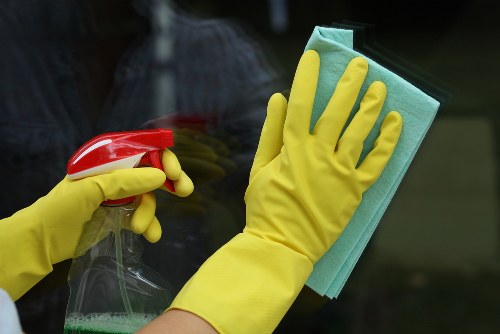
Soho is one of central London’s most active business districts, and that brings both opportunity and pressure. Offices, hospitality venues, creative agencies, retail units, clinics, showrooms, and managed properties all compete for time, space, and attention. In a place with such a constant flow of people, cleanliness is not just about appearance. It supports professional standards, helps create a safer environment, and can make the entire building feel more organised and cared for.
A dependable Soho commercial cleaning service can be especially valuable where first impressions matter. Reception areas, meeting rooms, shop floors, washrooms, communal kitchens, and entrance lobbies are all seen by clients or tenants. If those areas are not maintained properly, it can affect confidence in the business. On the other hand, a tidy and well-kept space tells people that the company pays attention to detail.
Local businesses also need flexibility. Soho does not run on a standard schedule. Some premises need early-morning cleaning before staff arrive, others need late-evening visits after service ends, and some require periodic deep cleaning in between regular maintenance visits. A good cleaning arrangement should work around your operations rather than interrupting them.
Who Needs Commercial Cleaning in Soho?

There is no single type of customer in Soho. The area brings together many different property types and working patterns, so the service must be adaptable. A local cleaning company should be comfortable dealing with a wide range of environments, from compact offices to busy public-facing spaces.
Typical customers include:
- Offices and coworking spaces that need daily or scheduled upkeep
- Retail stores and showrooms with high visitor traffic
- Cafés, restaurants, bars, and hospitality venues that need strict cleanliness between services
- Creative studios and media spaces where equipment, surfaces, and shared work areas need careful handling
- Clinics, salons, and professional practices where hygiene expectations are higher
- Managed buildings and mixed-use properties with lobbies, corridors, stairs, and shared facilities
- Residential landlords and block managers seeking reliable communal area cleaning
Because Soho includes both commercial and residential pockets, many sites need a cleaning approach that can manage shared entrances, mixed schedules, and varied occupancy levels. A local provider who understands those needs can make planning simpler and reduce the chances of disruption.
What a Professional Cleaning Service Can Include

Commercial cleaning is not only about emptying bins and wiping desks. A well-structured service should be tailored to your premises, the level of footfall, and the type of business you run. Some clients need everyday maintenance, while others need targeted support in specific areas.
Common tasks can include:
- Dusting and wiping desks, counters, and touchpoints
- Vacuuming carpets and cleaning hard floors
- Mopping and floor care for busy walkways
- Kitchen and break room cleaning
- Washroom cleaning and replenishment of consumables
- Bin emptying and waste management
- Surface sanitising in high-contact areas
- Cleaning glass partitions, mirrors, and internal windows
- Reception and communal area upkeep
- Stairwell and corridor cleaning
- Spot cleaning of marks, spills, and stains
- Periodic deep cleaning for higher-use areas
In Soho, attention to detail matters. Many premises are compact, busy, and highly visible. That means a cleaning plan should focus not just on the obvious surfaces, but also on the smaller details that affect how the space feels. Door handles, switches, skirting, ledges, and shared touchpoints can make a noticeable difference when they are consistently maintained.
Some businesses also need specialist add-ons, such as carpet care, washroom hygiene support, or enhanced cleaning for food-service environments. The best service is the one that can adapt to your site without overcomplicating the routine.
How Commercial Cleaning in Soho Typically Works

Every building is different, but a straightforward process usually begins with understanding the property, the working hours, and the areas that matter most to you. A local team should be able to assess your needs and build a schedule that fits your operation rather than disrupting it.
The process often looks like this:
- Initial discussion – You explain the property type, the size of the site, and any problem areas.
- Site review – A cleaning plan is shaped around your access points, usage patterns, and priorities.
- Scope setting – Tasks are agreed for daily, weekly, or periodic visits.
- Scheduling – Cleaning times are arranged to fit opening hours, staff movements, or venue turnover.
- Routine service – The team carries out cleaning according to the agreed plan.
- Ongoing adjustment – The service can be refined if your needs change, such as during busy seasons or after refurbishments.
This kind of flexibility is especially helpful in Soho, where access windows can be short and buildings may share entrances, lifts, or service routes. A local cleaner who is used to central London logistics can plan around those realities more smoothly.
It also helps when the team is trained to work discreetly. Many Soho properties are active from early in the morning until late at night, so a cleaning visit often needs to happen with minimal interruption. A good service should feel like part of the building’s routine, not an added complication.
What Makes Soho Different?

Soho is unlike many other parts of London. It combines heritage buildings, modern commercial units, vibrant hospitality venues, and a high number of mixed-use premises in a relatively small area. That creates practical challenges that a local cleaning service needs to understand.
One major issue is access. Streets can be narrow, loading opportunities may be limited, and busy periods can make movement around the area slower than expected. In addition, many properties have restricted parking, shared entrances, and compact internal layouts. A provider used to working in Soho will be more prepared for these conditions and better able to plan efficient visits.
Another consideration is building type. Soho includes older structures with delicate finishes, modern office fit-outs, and premises that have been adapted over time. Cleaning methods should suit the materials present. For example, the best approach for a polished reception area may be different from the right routine for a historic staircase, a busy restaurant floor, or a glass-partitioned office suite.
Benefits of Choosing a Local Soho Cleaning Team
Choosing a nearby team brings practical advantages that matter in real day-to-day use. It is not only about geography; it is about local familiarity, responsiveness, and an understanding of how the area works.
Here are some of the main benefits:
- Faster response times when schedules change or extra support is needed
- Better understanding of local access issues, including loading, parking, and restricted entry points
- More suitable timing for early, late, or out-of-hours work
- Experience with mixed property types across Soho and the surrounding central London area
- More consistent service when the team knows the building and its routines
- Clearer communication with a local point of contact who understands practical site needs
For businesses near Carnaby, Chinatown, Piccadilly Circus, Oxford Street, or the edges of Fitzrovia and Mayfair, local knowledge can save time and avoid unnecessary disruption. A cleaner who already knows the pressure points in the area is often easier to schedule and more efficient on site.
That local familiarity matters most when the building is busy, shared, or difficult to access. In Soho, those situations are common rather than unusual.
Types of Properties Served
Commercial cleaning in Soho is not limited to a single kind of building. The area includes a wide mix of uses, and each one requires slightly different priorities. A strong service should be comfortable moving between them.
Offices and Workspaces
Offices in Soho may be compact, open-plan, multi-floor, or shared with other occupants. Cleaning usually needs to focus on desks, meeting rooms, kitchens, washrooms, and circulation areas. For businesses with staff working long hours or handling visitors, a tidy office can contribute to a better working environment.
Hospitality and Food-Service Venues
Bars, restaurants, cafés, and late-opening venues need very careful cleaning routines. Front-of-house areas must stay presentable, while kitchens, serving counters, and washrooms often require more intensive attention. Because Soho is known for its nightlife and busy hospitality scene, timing is especially important.
Retail and Customer-Facing Sites
Retail units and showrooms depend on appearance. Floors, display areas, glass, mirrors, and entrance points need regular care, particularly in streets with steady footfall. If customers are constantly coming in and out, dirt and dust can build up quickly, so routine cleaning helps keep the space inviting.
Managed Buildings and Shared Spaces
Communal corridors, staircases, lifts, entrance halls, and bin areas are easy to overlook but have a big impact on how a property is perceived. Block managers and landlords often need dependable support for these shared spaces, especially where both commercial and residential occupants use the same access points.
Creative and Professional Premises
Agencies, studios, consultancies, and similar workplaces often want a clean environment without disruption to equipment or confidential work areas. A tailored service can focus on keeping the space fresh while respecting the layout and daily workflow.
How to Prepare for a Cleaning Visit
A little preparation helps the service run smoothly and can make the most of the time on site. This is especially useful in Soho, where access may be limited and visits need to be efficient.
Simple preparation checklist:
- Clear away personal items, sensitive papers, and valuables from surfaces
- Leave access instructions for shared entrances, keys, fobs, or alarm procedures
- Identify any areas that need special attention, such as spill zones or high-traffic entrances
- Make sure the team knows about restricted rooms or equipment that should not be touched
- Inform the cleaner of any changes to opening hours, events, or deliveries
- Check whether consumables such as soap, paper towels, or bin liners need replenishment
If your premises are busy, it can also help to define priority zones. For example, a reception area, washrooms, and kitchen may need to be completed first, while less-used rooms can follow later. This creates a cleaner result in the most important parts of the building, even on tight schedules.
Pricing Factors for Commercial Cleaning in Soho
Commercial cleaning costs are usually influenced by several practical factors rather than a single flat rate. This is important for customers to understand, because no two Soho premises are quite the same.
Common pricing factors include:
- Property size and the number of rooms, floors, or shared spaces
- Cleaning frequency, such as daily, weekly, or occasional visits
- Type of business, including office, retail, hospitality, or mixed-use space
- Level of footfall and how quickly dirt builds up
- Specialist tasks such as deep cleaning, carpet care, or washroom support
- Access conditions, including restricted entry times or limited parking
- Out-of-hours work if cleaning must take place before or after business operations
It is usually sensible to request a tailored quote based on the actual site rather than comparing a generic price. That way, you can make sure the service covers what you really need, without paying for extras that do not suit the building.
Request a free quote if you want a cleaning plan shaped around your Soho premises, your timetable, and your day-to-day priorities.
What to Look for When Choosing a Provider
When selecting a commercial cleaning company in Soho, it helps to focus on practical fit. The best option is not always the one with the broadest claims, but the one that understands your type of property and can work around your business with minimal disruption.
Useful questions to ask include:
- Do they have experience with buildings like yours?
- Can they clean early, late, or outside normal office hours?
- Are they comfortable with shared entrances, lifts, and communal areas?
- Can they adapt the scope if your needs change?
- Do they understand the access and parking challenges common in Soho?
- Can they handle both routine maintenance and deeper periodic tasks?
It also helps to choose a team that communicates clearly. If you run a business with changing schedules, bookings, events, or occupancy levels, you need a provider who can adjust without making the process complicated.
Why Businesses and Landlords in Soho Value Regular Cleaning
Regular cleaning is not only for appearance. In a busy district like Soho, it supports the way a building functions. Floors stay safer when spills and debris are dealt with quickly. Washrooms remain more pleasant for staff and visitors. Kitchens and communal spaces are easier to use. Reception areas feel more welcoming. Even the general atmosphere of a property can improve when routine cleaning is kept consistent.
For landlords and managing agents, the benefits are equally practical. Clean communal areas can help a building feel well cared for, which matters to tenants, visitors, and service users. For business owners, regular cleaning can reduce the burden on staff, who should be focused on their own work rather than trying to manage upkeep between busy periods.
In a high-demand area like Soho, consistency is often the difference between a space that merely looks acceptable and one that feels genuinely well managed.
Areas Covered Around Soho
A local cleaning team based around central London can usually serve Soho itself and nearby districts where many businesses operate in similar conditions. That wider coverage is useful if your company has more than one site or if you manage several properties in the area.
Areas often served include:
- Soho
- Carnaby
- Oxford Street
- Piccadilly Circus
- Chinatown
- Fitzrovia
- Mayfair
- Covent Garden
- Leicester Square
- Marylebone and nearby central London locations
If your site sits on the edge of Soho or between several central London districts, a local provider can usually arrange cleaning around the practical realities of the building rather than relying on a rigid route.
Frequently Asked Questions
How often should a Soho business book commercial cleaning?
That depends on the type of premises and the amount of daily use. Busy offices, hospitality venues, and customer-facing spaces often need more frequent visits than low-traffic premises. A tailored schedule is usually the best approach.
Can cleaning be arranged outside business hours?
Yes, many customers in Soho prefer early-morning, evening, or overnight cleaning to avoid interrupting staff and visitors. This is especially useful for venues with long opening hours or buildings with tight access windows.
Do shared buildings need a different cleaning plan?
Yes. Mixed-use properties and shared occupancies often require extra care because entrances, corridors, stairwells, and facilities are used by multiple people. A clear plan helps keep responsibilities and priorities organised.
What if my premises have limited parking or access?
That is common in Soho. A local team should be prepared to work around restricted access, loading challenges, and time-sensitive entry arrangements. Good planning makes the visit smoother.
Can the service be adjusted if my business gets busier?
Yes. Many businesses need seasonal changes, extra support before events, or more frequent cleaning during busy trading periods. A flexible provider can update the routine when needed.
Is deep cleaning available as part of commercial cleaning?
Often, yes. Deep cleaning can be arranged for periodic maintenance, post-refurbishment work, or areas that need extra attention beyond the normal schedule.
Book a Commercial Cleaning Service That Fits Soho
If you are looking for Commercial Cleaning in Soho, the most useful service is one that understands the area, respects your schedule, and adapts to the way your premises actually operate. Whether you need ongoing office cleaning, support for a busy hospitality venue, or regular care for a mixed-use building, a local team can help keep your property presentable and practical day after day.
For businesses and property managers in Soho, the goal is simple: a clean, reliable, well-run space that supports the people who use it. If that is what you need, contact us today to discuss your requirements, request a free quote, or book your service now.