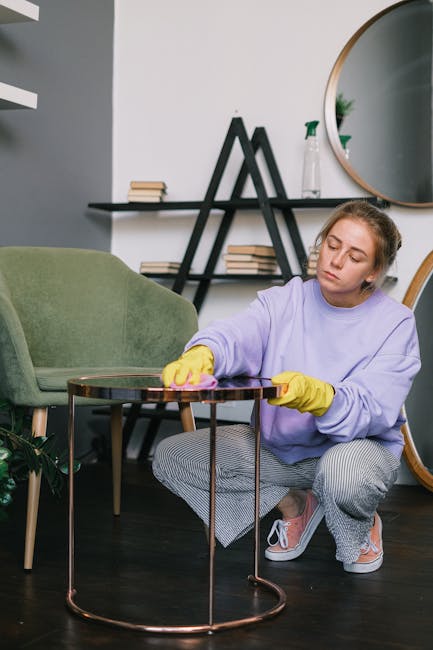
Upholstery cleaning Frith Street results locals trust
If your sofa has lost its colour, your dining chairs look tired, or a favourite armchair has picked up that faint "lived-in" smell, you are not alone. In a busy part of Soho, fabric furniture takes a beating from coffee spills, street dust, regular use, and the odd rushed lunch. This guide to Upholstery cleaning Frith Street results locals trust explains what good cleaning really looks like, how the process works, and how to judge whether a service is genuinely worth booking.
We will keep it practical. You will learn what removes grime without damaging delicate fibres, when steam or low-moisture methods make sense, and why trust matters as much as the final finish. There is a lot of upholstery advice online, frankly some of it flimsy. Let's make this one useful.
Table of Contents
- Why upholstery cleaning matters in Frith Street homes and businesses
- How the cleaning process works
- Key benefits and practical advantages
- Who this is for and when it makes sense
- Step-by-step guidance
- Expert tips for better results
- Common mistakes to avoid
- Tools, resources and recommendations
- Law, compliance, standards and best practice
- Options, methods and comparison table
- Case study or real-world example
- Practical checklist
- Conclusion
- Frequently asked questions
Why Upholstery cleaning Frith Street results locals trust Matters
Upholstery is not just decoration. It is where people sit, work, rest, chat, wait, and spill things. In a Frith Street setting, that often means a mix of domestic use and commercial wear. A sofa in a flat above the street may collect dust and food crumbs faster than you expect, while chairs in a small office or hospitality space can pick up body oils, drink marks, and everyday dulling far more quickly.
Trusted results matter because upholstery is easy to over-clean and surprisingly easy to under-clean. Too much water, the wrong chemical, or aggressive scrubbing can flatten fibres, leave tide marks, or cause shrinkage. Too little care, on the other hand, and stains sit there mocking you in the afternoon light. That is the balance good technicians aim for.
There is also a trust issue. When people search for upholstery cleaning, they are rarely only asking, "Can this be cleaned?" They are asking: will it be done carefully, will it look better, will it dry properly, and will the service feel reliable? Those questions are fair. In a local area like Frith Street, word-of-mouth tends to travel fast, and so does disappointment. One rushed job can put someone off for years.
For many households and businesses, upholstery cleaning also supports wider upkeep. A cleaner sofa can lift the whole room. A well-kept reception chair can quietly improve first impressions. And yes, it just feels better to sit somewhere that smells fresh rather than vaguely damp or stale. Small thing, big difference.
If you are already thinking beyond upholstery, it can help to look at a broader home-care approach too, such as deep cleaning for a whole-property reset or sofa cleaning when your main seating needs focused attention.
How Upholstery cleaning Frith Street results locals trust Works
Good upholstery cleaning usually starts long before any machine is turned on. The cleaner should identify the fabric type, check the manufacturer's care label where possible, test a discreet area, and choose a method that suits the material. That is not overcautious. It is basic competence.
Most professional processes follow a similar rhythm:
- Inspection and fibre identification - cotton, polyester, wool blends, velvet, microfiber, linen, leather-look materials, and mixed fabrics all behave differently.
- Dry soil removal - loose grit is lifted first, usually with careful vacuuming and an upholstery attachment.
- Pre-treatment - marks, traffic areas, and greasy patches are treated with the right solution.
- Main cleaning - hot water extraction, low-moisture cleaning, encapsulation, or specialised stain work depending on the fabric.
- Rinse or neutralisation - this reduces residue, which matters more than most people realise.
- Final grooming and drying guidance - fibres are reset where appropriate, and drying time is explained clearly.
Hot water extraction is common for many upholstered items, but it is not universal. Some materials need a lighter touch. Velvet, for example, can be sensitive to agitation and excessive moisture. Older furniture can be more fragile than it looks. A smart cleaner will not try to make every job look the same. That would be a red flag, not a skill.
In practice, the best results come from tailoring the method to the fabric and the amount of soiling. A lightly used flat chair does not need the same treatment as a family sofa that has seen three winters, a toddler, and a dog who thinks cushions are for nesting. Truth be told, upholstery tells stories. Cleaning just helps rewrite the ending a bit.
If odours are part of the problem, especially pet-related ones, a targeted service such as pet stain odour removal may be relevant alongside upholstery care.
Key Benefits and Practical Advantages
People often think upholstery cleaning is mainly about appearance. It is that, but only partly. The practical gains are broader and more immediate than most homeowners expect.
- Better appearance - faded colours often look brighter once surface dirt is removed.
- Improved smell - fabric can hold onto food, smoke, pets, and general room odours.
- Longer fabric life - built-up grit acts like fine sandpaper on fibres.
- More comfortable use - cleaned upholstery often feels softer and fresher.
- Cleaner shared spaces - useful in homes, offices, waiting areas, and rental properties.
- Better first impressions - especially important for businesses and guest-facing properties.
There is another advantage that gets overlooked: consistency. If upholstery is cleaned regularly, each appointment is easier because stains are less deeply embedded. That usually means better-looking results and fewer surprises. Waiting until a sofa looks genuinely rough can still be fixed in many cases, but it makes the job more demanding.
For landlords and tenants, upholstery cleaning can also support a tidy exit or handover, particularly when paired with end of tenancy cleaning or move out cleaning. For businesses, it can sit alongside office cleaning or commercial cleaning to keep the whole site looking sharp.
Expert summary: if the fabric is still structurally sound, timely upholstery cleaning usually offers a good return because it improves both how furniture looks and how long it stays serviceable. That is the simple version. The fuller version is: the right method, used carefully, is what creates results locals trust.
Who This Is For and When It Makes Sense
This kind of cleaning is useful for more people than you might think. It is not just for tired sofas or obvious spills. Sometimes the issue is visual. Sometimes it is hygiene. Sometimes you just know the room feels a bit off, even if you cannot put your finger on why.
It makes sense if you are:
- a homeowner wanting to refresh a lived-in lounge or dining area
- a tenant preparing for inspection or moving day
- a landlord trying to present the property properly between occupiers
- a short-let host needing reliable turnaround presentation, such as with airbnb cleaning
- a business owner with reception seating, meeting-room chairs, or break-out furniture
- someone dealing with one-off spills, pet accidents, or lingering smells
- anyone whose furniture is valuable enough to preserve rather than replace
There are also moments when cleaning is less about routine and more about timing. After a busy event, before guests arrive, before property photos, or after a long damp spell when rooms start to feel stale. A quick Monday morning check can tell you a lot. If the fabric looks dull in daylight, it probably needs attention.
Not every item is a candidate for deep cleaning. If the upholstery is badly damaged, perished, or already failing at the seams, cleaning may improve the look but not solve the underlying issue. That is where honest advice matters more than a sales pitch.
Step-by-Step Guidance
If you want the best possible outcome, the process before and after the appointment matters nearly as much as the cleaning itself. Here is a practical way to approach it.
- Check the fabric label or care instructions
Look for cleaning codes if they are available. Even a rough idea of the fabric type helps. If the item is antique or custom-made, take a photo of any label and trim details before booking. - Identify the problem areas
Make a list of stains, smells, pet zones, and high-wear spots. This helps the cleaner focus time where it counts. - Ask about the method
Whether the technician plans low-moisture cleaning, hot water extraction, or stain-specific treatment, the answer should make sense for the fabric. If the explanation is vague, keep asking. You are allowed to do that. - Prepare the room
Move small items, clear side tables, and make access easy. A cleaner should handle the furniture itself, but a clear room makes a cleaner job. Simple. - Pre-vacuum if needed
A quick vacuum on cushions and seams can help, though a professional will usually do this properly again on site. - Allow for drying time
Open windows if appropriate, keep people and pets off the item, and avoid placing cushions back too early. Damp fabric and impatience do not get along. - Inspect the result in natural light
Look at the item near a window if possible. Artificial light can hide patches that daylight shows immediately.
If the upholstery is part of a wider refresh, think in layers. A cleaned sofa alongside rug cleaning or curtain cleaning can make the room feel far more complete than one item alone.
Expert Tips for Better Results
The difference between decent and excellent upholstery cleaning often comes down to small decisions. Here are the ones that matter most.
- Test, don't guess. Even when a stain looks simple, the wrong treatment can spread it.
- Treat the fabric, not just the mark. Spot-only cleaning can leave a patchy result that looks worse than the original problem.
- Work from dry to wet where possible. Loose dust and crumbs should be removed before moisture is introduced.
- Less product can be better. Heavy detergent use may leave sticky residue that attracts dirt later.
- Do a proper dry pass. Faster drying is not just convenient; it helps prevent lingering smell and water marks.
- Match expectations to fabric age. Older upholstery may look dramatically better without looking brand-new. That is still a win.
One useful habit is to ask how the cleaner handles delicate or mixed fabrics. A careful answer should mention testing, moisture control, and finish quality. Another good sign? They do not promise miracles. Honest professionals usually say what can be improved and what may only lighten rather than disappear. That honesty tends to be a very good sign.
If your furniture is in a high-traffic home, pair upholstery care with regular cleaning or a broader house cleaning schedule so the room does not slide back too quickly.
Common Mistakes to Avoid
Here is where many people go wrong. Some of these are small errors; others can create costly problems. No drama, but worth avoiding.
- Scrubbing a stain hard - this can push the mark deeper into the fibres and roughen the surface.
- Using random household cleaners - products made for hard surfaces can damage fabric or leave bleach-like marks.
- Soaking the upholstery - more water does not equal more cleaning.
- Skipping stain identification - wine, grease, ink, food dye, and body oils all behave differently.
- Ignoring odour sources - a fragrance spray on top of a problem is not cleaning. It is a cover-up, and not a great one.
- Putting cushions back too soon - trapped dampness can create smell and slow drying.
- Choosing only on price - cheapest is often cheapest for a reason.
Another common mistake is assuming one method suits all furniture. A sofa, an office chair, and a dining banquette may all need different treatment. It sounds obvious, but in real life people forget this all the time. Understandably so, to be fair. When you are staring at a stain, it feels urgent.
Tools, Resources and Recommendations
You do not need a van full of equipment to understand what makes a good result. But knowing the main tools helps you ask better questions and spot a solid service.
| Tool or approach | What it does | Best for | Watch out for |
|---|---|---|---|
| Upholstery vacuum attachment | Lifts dust, crumbs, and loose debris from seams and surfaces | Most fabric furniture | Can miss deep dirt if used too quickly |
| Pre-spray or stain treatment | Breaks down oils and specific marks before the main clean | Traffic lanes, food marks, drink spills | Wrong product can cause colour issues |
| Hot water extraction | Uses cleaning solution and controlled extraction to remove soil | Many durable fabrics | Too much moisture can damage delicate items |
| Low-moisture cleaning | Refreshes fibres with less water and shorter drying time | Sensitive fabrics and quicker turnarounds | May not suit heavy embedded soil |
| Odour treatment | Targets smell at source rather than masking it | Pet incidents, stale fabric, spill aftermath | Needs correct diagnosis to work properly |
For a good service experience, useful support pages matter too. If you want to understand the company's approach to safety and customer confidence, review insurance and safety and the health and safety policy. If pricing is part of your decision, pricing and quotes is the sensible next stop.
And if the job is part of a broader property refresh, it may make sense to pair upholstery work with carpet cleaning, mattress cleaning, or even window cleaning so the space feels properly reset.
Law, Compliance, Standards, or Best Practice
For upholstery cleaning, the biggest practical compliance issue is not about dramatic regulation headlines. It is about working safely, using suitable products, handling electrical equipment sensibly, and respecting fabric care instructions. In the UK, a reputable cleaner should also be mindful of general health and safety expectations, proper insurance, and safe chemical handling.
Best practice usually means:
- testing on an inconspicuous area before full treatment
- using chemicals according to manufacturer guidance
- managing moisture to reduce the risk of shrinkage or water marking
- keeping walkways safe while equipment is in use
- explaining drying advice clearly to the customer
If you are hiring a cleaner for a business, rental property, or shared building, insurance and clear complaints handling matter even more. It is normal to want reassurance that there is a process if something goes wrong. That is where policies and clear terms are genuinely helpful, not just paperwork for the drawer. You can also review terms and conditions and the complaints procedure before booking if you want that extra clarity.
There is no need to overcomplicate it. Safe methods, careful testing, honest advice, and decent communication are the standard to look for. Anything less is, well, a bit careless.
Options, Methods, or Comparison Table
Not every upholstery item needs the same method. Here is a plain-English comparison to help you make sense of the main options.
| Method | Best used for | Strengths | Limitations |
|---|---|---|---|
| Hot water extraction | Durable fabric sofas and chairs with moderate to heavy soiling | Deep soil removal, strong refresh effect | Longer drying time, not ideal for delicate fabrics |
| Low-moisture cleaning | Delicate fabrics or quicker turnarounds | Faster drying, gentler feel | May need supplementary stain treatment |
| Spot and stain treatment | Specific marks such as drinks, food, or light grease | Targets the problem area directly | Can look uneven if not blended properly |
| Odour-focused treatment | Pet smells or stale fabric | More effective than masking sprays | Needs correct diagnosis and follow-through |
The right choice depends on fabric type, age, level of soiling, and how quickly you need the item back in use. If someone promises the same method for every item, that is not efficiency. It is usually laziness dressed up as confidence.
Case Study or Real-World Example
A small Frith Street office had two fabric visitor chairs and a waiting-area sofa that looked fine from a distance but tired up close. The problem was not dramatic staining. It was a mixture of dullness, hand-contact marks on the arms, and that faint stale smell that builds in compact rooms with regular foot traffic.
The cleaner inspected the fabric, identified safe treatment options, and focused first on dry soil removal. After pre-treatment, the darker contact areas were cleaned more carefully than the rest of the sofa so the finish stayed even. The job also included targeted odour work because one chair had picked up a lingering spill smell. Nothing flashy. Just careful, sensible cleaning.
What changed afterwards? The room looked brighter, the chairs no longer drew the eye for the wrong reasons, and the space felt ready for visitors again. The client did not need new furniture. They needed the current furniture to look like it was being looked after. That is the real-world value of well-executed upholstery cleaning.
Sometimes that is all a room needs. A bit of attention. A proper reset.
Practical Checklist
Use this checklist before you book or when you are preparing the room.
- Identify the item type: sofa, chair, ottoman, bench, or commercial seating
- Check for care labels, fabric codes, or manufacturer guidance
- Note visible stains, smells, and high-use zones
- Ask which cleaning method will be used and why
- Confirm whether the cleaner will test the fabric first
- Make sure there is safe access to the furniture
- Ask about likely drying time
- Find out how delicate fabrics are handled
- Review pricing and any service terms in advance
- Keep children and pets away from the item until it is fully dry
Quick takeaway: if the cleaner can explain the method in clear language, that is usually a good sign. If they sound vague, rushed, or overly certain about every fabric type, pause. You do not need to be difficult; you just need to be informed.
Get a free quote today and see how much you can save.
Conclusion
Upholstery cleaning on Frith Street is really about trust, care, and results that last beyond the first hour. The best outcome is not just a brighter sofa. It is a cleaner room, a fresher feel, and furniture that looks properly looked after without being overworked. That is what locals tend to remember, and what they quietly recommend to others.
If you focus on fabric safety, realistic expectations, and the right cleaning method, you are far more likely to get the kind of finish people describe as reliable. In a neighbourhood where presentation matters and time is tight, that counts for a lot. A lot more than most people admit.
And if your furniture is making the room feel a little tired right now, do not worry. With the right approach, it can come back to life better than you expect.
Frequently Asked Questions
How often should upholstery be professionally cleaned?
That depends on use, fabric type, pets, children, and whether the furniture sits in a home or business setting. For many households, once or twice a year is a sensible rhythm. Busy commercial seating may need more frequent attention.
Will upholstery cleaning remove all stains?
Not always. Some stains are permanent or have chemically bonded with the fibre. Good cleaning can often improve them significantly, though a trusted cleaner should be honest about what may only lighten rather than disappear.
How long does upholstery take to dry?
Drying time varies by fabric, method, room ventilation, and how much moisture was used. Low-moisture methods dry faster, while deeper cleaning can take longer. A proper cleaner should give you a realistic estimate before starting.
Is steam cleaning safe for all upholstery?
No, not for all fabrics. Steam or hot water extraction can work well on some items, but delicate or speciality fabrics may need a gentler method. Testing first is essential.
Can I clean upholstery myself with shop-bought products?
You can try light maintenance, but home products are risky on delicate fabrics and can leave residues or marks. For meaningful results, especially on visible furniture, professional treatment is usually the safer route.
What makes results trustworthy rather than just "nice on the day"?
Trusted results usually mean even colour, no obvious tide marks, no sticky residue, sensible drying, and a cleaner who explains what has and has not been achieved. It should still look good a day later, not just in the first five minutes.
Do fabric sofas and dining chairs need different treatment?
Often yes. Seating that is used more heavily, or has different padding and fabric construction, may need different chemistry and moisture control. One-size-fits-all cleaning can create uneven results.
What should I do before the cleaner arrives?
Clear small items from the room, note any stains or concerns, and make access easy. If there are pets or children around, plan for them to stay away from the area during and after cleaning.
Is upholstery cleaning suitable for rental properties?
Yes, very often. It can help with presentation between tenancies and support a better overall handover. It is commonly booked alongside end of tenancy cleaning or other move-related services.
Can cleaning help with pet smells?
Yes, if the smell has not permanently damaged the fabric. The cleaner needs to treat the source properly, not just spray fragrance on top. For pet-related issues, a specific approach such as pet stain odour removal is often the better route.
How do I choose a good upholstery cleaner locally?
Look for clear explanations, fabric testing, sensible drying advice, insurance, and transparent pricing. A good local cleaner should sound practical and confident, not vague or overpromising. That tends to be the real difference.
Is upholstery cleaning worth it if the furniture still looks okay?
Often yes. Dirt builds gradually, so by the time fabric looks obviously tired, it may already be holding more soil and odour than you realise. Cleaning earlier can preserve the item and keep the room feeling fresh for longer.
Can upholstery cleaning be done alongside other services?
Absolutely. Many people combine it with rug cleaning, carpet cleaning, or deep cleaning for a more complete refresh. That often gives the room a noticeably better finish.
Where can I learn more about the company before booking?
It helps to read the about us page and review practical information such as payment and security. If you want to ask a direct question, the contact us page is the simplest next step.